Blog
Release Notes Announcement 4-4-26
New features and more inbound
This announcement brings some great news as we continue to expand and refine the game. Be sure to scroll down—there’s a lot to cover.
Champion Passives
Firstly, a major update:
Each champion now has their own unique special effects, from Cyrille’s Arcane Might to Ramsay’s Sugar Rush. These additions bring more depth and variety to your battles.
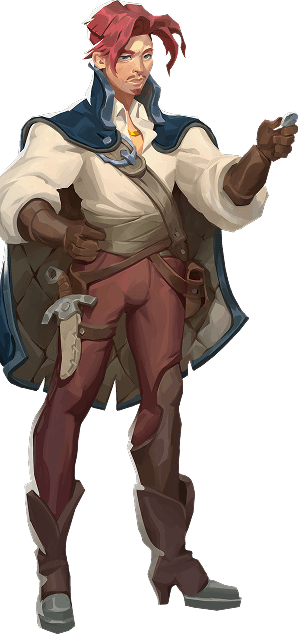
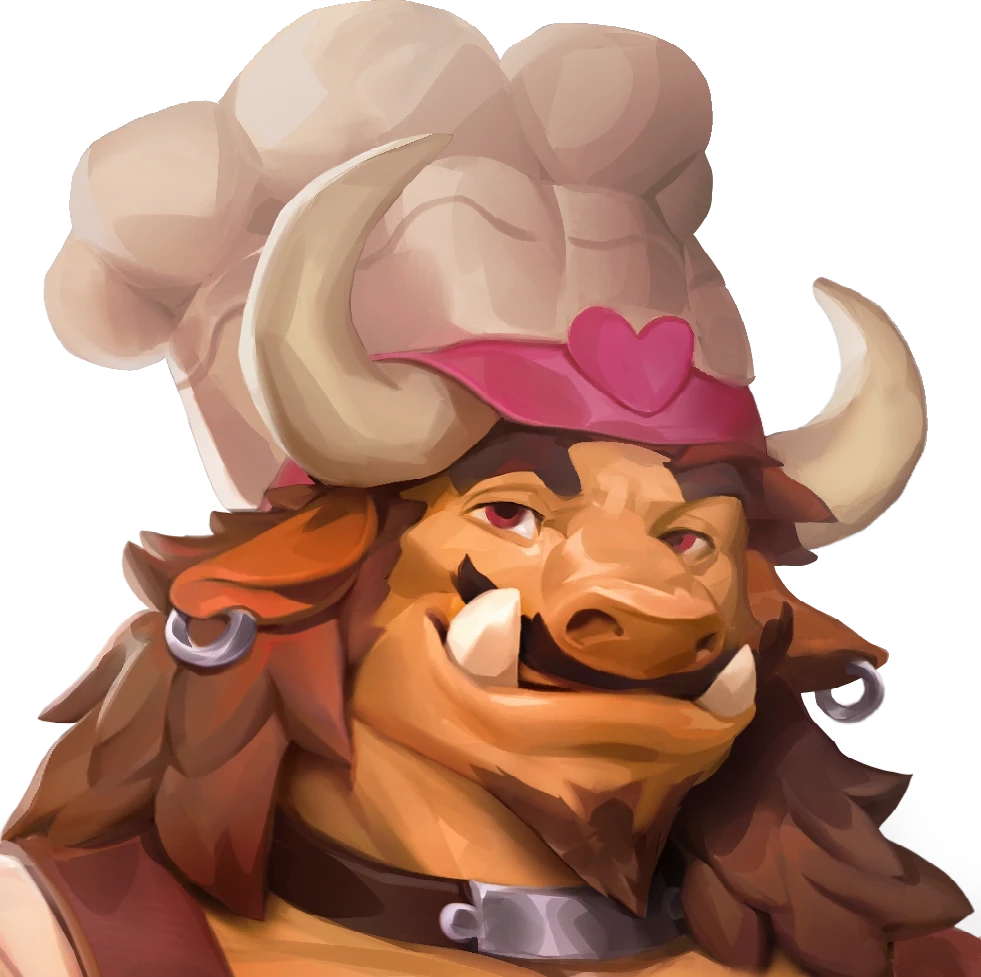
Ramsay Velvethoof
Speaking of Ramsay Velvethoof, he’s available to play on rotation until midnight on Thursday, 9th April. As always, you can permanently unlock him in the shop, just like any of our other champions.
Champion-Specific Emotes
In-match text taunts have been replaced with champion-specific emotes. Let your opponent know how you’re feeling by tapping on your champion and selecting the relevant emote.
Double XP Weekend
This weekend, enjoy double XP—you’ll earn twice the experience points for every match, both for yourself and your champions.
UI Upgrades
Our work on upgrading the game’s look continues, with more features now using the new style. A great example is Part 1 of the Vault renovations, which now includes more readable item details and crafting information. We’ve also added more filters and sorting options.
Coming Soon
Vault Pt 1.2 will be coming soon with more improvements and fixes to the UI/UX to complete the visual uplift.
Once Ramsay steps aside from the free rotation, a new champion will enter the roster. You’ll get to meet them, along with 10 new items and a unique passive ability to discover.
Join the Community
Finally, we’d love to hear from you! Feel free to join our Discord and become part of the community and connect with the team.
Jon

In regard and reverence of the druid
The Shee
A story emerges, a character comes forth. From collecting folklore around the Irish and Celtic druids, we create a character that holds reverence and homage for Irish druid folklore.
Irish druid folklore tells of the Sidhe (Shee) as quite spiritual and intellectual. They are seers and mystics, often as advisors to kings. In our own story, for Faction Packed, I see our druid as a wandering spirit, symbolised by her porcelain skin. A protector of her forest, "Shee" whom has become one with the forest and the knowledge of the trees. Levitation, Shapeshifting, Storm-breath, all accounts of stories that confirm that druids from Irish Mythology are fascinating!
The etymology comes from adapting two words in Old Irish, the words deru (oak) and weid (to see/know). This brings the druid to mean “Knower of the Oak”
Being the lorekeepers of their lands, they memorized vast amounts of oral tradition which made them ripe to become the teachers, historians, poets and likely, bards! In all regards, they were highly revered.
Early folklore that endows the druid tells of the origins of their power. The story of Finegas (Fin Ecas) and Fionn, master and pupil.
One sunny day, Finegas is fishing along the River Boyne. As if by no luck other than fate, Finegas hooks a Giant Salmon, soon securing the fish and preparing to roast over the spit. This very Salmon had eaten the Nut of Knowledge fallen from one of the many Trees of Knowledge. The story goes that Fionn, while cooking the Salmon on the spit, eagerly turning and turning, burns his thumb on the Salmon. Fionn instinctually sticks the pulsing thumb into his mouth and is imbued with a feverish wisdom!
Fionn can now harness the power of tienm laida. By reciting an incantation and chewing on his thumb, the Thumb of Knowledge -- prophetic and hidden knowledge is revealed to him.
In another version of the story, the knowledge is passed to his teeth which unfortunately has no ties to tooth faeries. The earliest precursor is perhaps in Norse tradition of tand-fé (tooth-fee), notably as Viking warriors believed that teeth brought good luck in battle. I digress!
A strong reverence for druids had even stirred St. Patrick. He bans the magic power of teinm laida on his holy-day, arguing that knowledge through "divination" required offerings to demons.
Used in Shakespearean plays, the act of biting one's thumb aimed at another person, was intended as a bid for ill will or generally offensive stance. Or, in the case of Irish druids, thumb biting was casting an incantation at your enemy.
Kev